
Comprehensive medical treatment for Crohn's disease and ulcerative colitis
If you live with flares, intestinal urgency, pain, fatigue or limitations that condition their life, We studied his case from a multidisciplinary perspective, in order to understand the possible causes of the disease and then recommend the appropriate treatment.
a personalized treatment.

Is your life centered around your gut?
Crohn's disease and ulcerative colitis can affect much more than the digestive system. When symptoms persist or appear in flare-ups, It is common for the person to start organizing their life around the bathroom., Food and uncertainty about how your body will respond.
When this happens for months or years, the disease not only causes symptoms: it also reduces freedom, security, and confidence in one's own body.
Gradually, some people start to reject invitations, avoid travel, stay away from friends or family, and stay home to feel safe.

Urgency, diarrhea and fear of not arriving on time
The sudden need to go to the bathroom can make every trip start with the same question: “Will there be a bathroom nearby?”.

Shame ends up limiting their social life
Having to get up several times to go to the bathroom, constantly having to explain what is happening, experiencing gas, intestinal noises, or fearing an unexpected episode can generate a lot of embarrassment.

Eating stops being something simple
Many people start to constantly think about what they can eat, how much, at what time, and what might happen next.

Pain, fatigue and unpredictable days
Unpredictability makes it difficult to organize, work, commit to plans, or even know how much energy you will have the next day.
What is happening now
How it got here
How is my treatment different?
Currently, conventional treatment for Crohn's Disease and Ulcerative Colitis does not treat or modify the cause of the disease.
To design a truly personalized plan, it is not enough to know that you have Crohn's disease or ulcerative colitis. You must know the possible molecular mechanisms that cause the disease, in other words, We need to understand and act on the cause of the disease.
AN EVALUATION THAT LOOKS AT THE WHOLE
Understanding what factors are influencing the possible causal mechanisms.

Digestive function
Symptoms, intestinal rhythm, food tolerance, digestion, absorption, and gastrointestinal history.

Nervous system
Sleep, sustained stress, neurovegetative response and their possible influence on the perception and evolution of symptoms.

Inflammation and Immunology
Evolution of the disease, laboratory tests, immunological history and response to previous treatments.

Nutrition, habits and environment
Dietary patterns, physical activity, rest, habits, and everyday factors that can favor or hinder stability.

Nutritional and metabolic status
Possible deficits, weight loss, fatigue, general state and relevant metabolic factors.

Complete therapeutic history
What has been tested, what has worked, what has not, what effects it has had and what is the current medical context.
Re-making plans without first thinking about the bathroom
Improving is not just about having fewer symptoms.
It is about regaining the freedom to eat, go out, travel and enjoy life with your loved ones without the disease constantly deciding for you.
Because the true progress is noticeable when he or she returns to living life with confidence and tranquility.
Go out with peace of mind. Making plans without being prepared for an unexpected event.
To travel again. Rebuilding confidence to travel and enjoy being outside.
Eating with less fear. Sit at the table with more confidence and less uncertainty.
Working more normally. Reduce the impact of the symptoms on your day.
Recovering your self-esteem. To feel safe again, autonomous, and more confident in yourself.
Patient experience
Each patient arrives with a different story. Pedro shares in his own words how he lived with his illness, why he decided to seek a different assessment, and what changes he has experienced during the process.
Pedro
Ulcerative colitis
He had been suffering from ulcerative colitis since 2004; he had periods of up to two months of symptoms, causing up to 20 bowel movements a day, which significantly affected his quality of life. Since starting treatment with Dr. Gregorio León about six months ago, the outbreaks have disappeared., With this treatment, the symptoms have been significantly reduced and the number of bowel movements is currently 2 to 3 times per day. In the mild episodes that he has experienced, recovery has been rapid and medication has not been necessary.
How accompaniment works

Step 1
First medical consultation

Step 2
Assessment of suitability

Step 3
Individualized plan

Step 4
Follow-up and adjustments
For whom it is intended:
✓ It continues with symptoms or limitations that affect their quality of life.
✓ Seek a more comprehensive and personalized medical evaluation of your case.
✓ He wants to complement, not abandon, the follow-up that he already carries out with his specialists.
✓ He/She is willing to get involved in the follow-up and in the changes in habits that may be indicated.
For those who are not:
✕ Find a substitute for the medication or follow-up recommended by your specialist on your own.
✕ Expect a guarantee of healing.
✕ You do not wish to provide your medical history or undergo individualised follow-up.
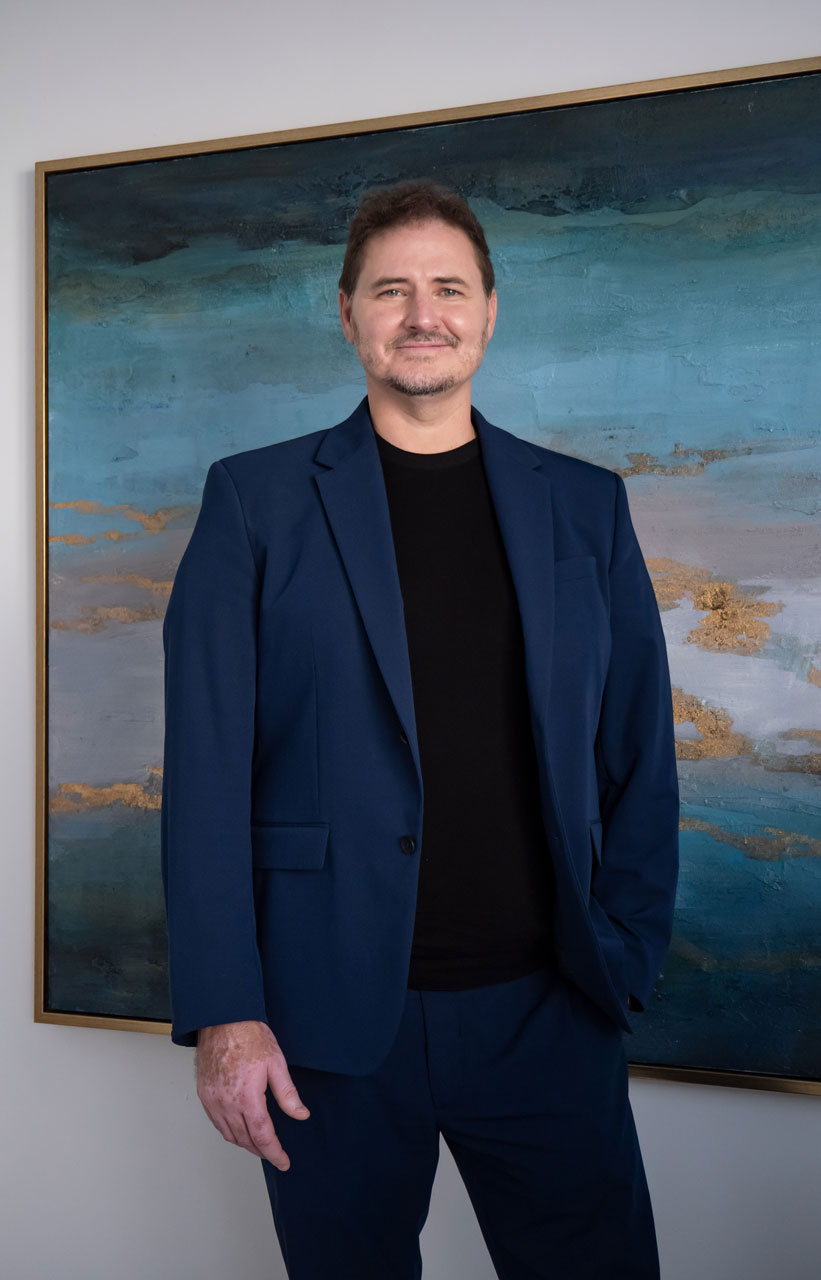
Comprehensive care in the hands of a single professional
About Dr. Gregorio León
Dr. Gregorio acts as a “multidisciplinary team”, By analyzing the health-disease process from Multiple approaches.
Combines his knowledge in internal medicine, integrative medicine, Immunology, genetics, Molecular biology, Psychoneuroimmunology and cellular physiology among others, to understand how the body is responding during chemotherapy and design a clinical approach that is consistent with each case.

Accredited clinical experience over two decades

Doctor of Science in Biomedicine and Molecular Biotechnology
Researcher in cellular communication and neuroinflammation, with a master's degree in immunology; studies the complex processes of the organism from its possible biological root cause, not just from the symptoms.
Direct and personal follow-up in each phase
He/She designs, implements, and personally adjusts the medical accompaniment, ensuring clinical consistency, confidentiality, and continuous communication throughout the process.
Frequently asked questions
Does this treatment replace the one my specialist has recommended to me?
Can I request a valuation if I am taking a biological treatment or other medication?
What exactly is the treatment?
What happens if Dr. Gregorio considers that he cannot help me?
How long does the process take?
Can I complete the process if I live on the Peninsula?
What documentation should I provide?
Can it be guaranteed that all symptoms will disappear?
That does not mean the disease is “cured.” Crohn’s and ulcerative colitis are chronic diseases, but they can enter a remission phase, that is, a period in which the symptoms disappear or are greatly reduced and the person regains their quality of life.
Take the first step to regain greater freedom in your daily life
If Crohn's disease or ulcerative colitis continue to affect your life, the initial consultation allows you to review your medical history, review available documentation, and assess whether a personalized approach could be helpful.