
Personalized medical accompaniment during chemotherapy
My medical approach promotes that patients with cancer:
They tolerate better chemotherapy
Live it with less side effects
Have them less interruptions in cycles and doses
This makes it easier for the oncological treatment to be carried out with the maximum continuity and stability possible.
Chemotherapy becomes difficult to sustain
Many people not only live with cancer; they also live with the physical impact of chemotherapy: extreme fatigue, nausea, vomiting, diarrhea, sores in the mouth, loss of appetite, altered taste, weakness, or a feeling of being unable to lead a minimally normal life.
Sometimes the patient stops eating As before, he loses energy, spends more time in bed, and needs help with activities he used to do without difficulty.
This affects not only the body: it also affects the mood, autonomy, and the entire family dynamic.

The family also lives with cancer
When a person in treatment deteriorates, the family’s life also changes.

Constant concern
The constant concern arises: if he eats little, if he is getting weaker every day, if he will be able to endure the next cycle, if he will have to return to the emergency room, if the treatment can continue.

Anxiety, sadness, fear, frustration
Family members often live with anguish, sadness, fear, frustration, and a sense of powerlessness. They want to help, but they don't always know how.

A profound impact on those who accompany them
Improving the patient's tolerance to treatment can have a profound impact on the peace of mind of those who accompany them.
Relative Dose Intensity, RDI
In oncology, there is an important concept called relative dose intensity or RDI, which refers to the relationship between the planned dose and the dose that the patient actually receives during treatment. Several studies have observed that maintaining a higher dose intensity may be relevant for clinical outcomes in certain types of cancer and chemotherapy regimens.
Clinical stability
Supporting the patient so that they can undergo chemotherapy in better condition does not only mean feeling better during the process. It can also help them reach each cycle with greater clinical stability and ensure that the treatment recommended by oncology can be developed with the greatest continuity possible, always respecting the decisions of the responsible oncology team.
Patient experience
When Mario started chemotherapy, he had a very clear idea of what he had experienced with this disease. In this video, he tells us how his experience is going and how he feels during the process.
Mario
Colon cancer
Mario was diagnosed with colon cancer and is currently undergoing chemotherapy treatment. Fearing fatigue, dizziness and other adverse effects that he had experienced first hand, he began complementary medical support with Dr. Gregorio León. After two months, Mario tells us that he is full of energy and maintains a completely active life: he performs his usual tasks, goes for walks, and continues going to the gym. He especially appreciates being able to cope with the chemotherapy process while feeling well and maintaining his daily activities.
Comprehensive care in the hands of a single professional
The problem usually isn't just one symptom.
In addition, The toxicity associated with chemotherapy can manifest itself in various systems. of the organism: digestive, hematological, neurological, immunological, metabolic and emotional. Therefore, in some patients, treating only the cancer is not enough. It may be necessary a broader clinical assessment that values how the body is responding as a whole and what supports could help you to get through the process with greater stability.
DIGESTIVE SYSTEM
Nausea, vomiting, diarrhea, constipation, mucositis, loss of appetite, altered taste.
IMMUNE SYSTEM
Immunosuppression, increased susceptibility to infections, altered inflammatory response.
HEMATOLOGICAL SYSTEM
Anemia, low platelets, neutropenia, reduced defenses that compromise tolerance to the cycle.
METABOLIC SYSTEM
Nutritional impairment, loss of muscle mass, metabolic disturbances during treatment.
NEUROSYSTEM
Peripheral neuropathies, sensory disturbances, neurological fatigue associated with certain drugs.
EMOTIONAL DIMENSION
Anxiety, fear of the next cycle, deterioration of the mood and personal autonomy.
A personalized medical approach to accompany chemotherapy

Individual patient evaluation

Personalized physiological support

Dynamic adaptation during the process

Prudent coordination with oncological treatment
A personalized medical approach to accompany chemotherapy
Individual patient evaluation
The patient's medical history, the type of oncological treatment, current symptoms, functional status, tolerance to previous cycles, and the patient's specific needs are analyzed.
Personalized physiological support
Dynamic adaptation during the process
Prudent coordination with oncological treatment
Not all patients experience chemotherapy in the same way.
It is not a standard protocol. It is an intervention tailored to each patient.
One patient may experience intense nausea. Another may experience diarrhea. Another may experience incapacitating fatigue. Another may experience mucositis. Another may experience analytical abnormalities or functional impairment. Therefore, the accompaniment must adapt to the real situation of each person.
The differential value of Dr. Gregorio León lies in combining clinical experience, scientific insight, close monitoring, and the ability to adjust the approach based on the patient's evolution.
The goal: that the treatment does not take away his daily life
Chemotherapy is necessary, but it should not be lived in isolation or with the feeling that the body is fading away cycle after cycle.
This support aims to help the patient better sustain the process, reach each cycle in the best possible condition, and preserve, as much as possible, their energy, autonomy, and quality of life.
It can help the patient to:
It tolerates chemotherapy and its side effects better.
It provides greater autonomy to eat, walk, rest better and perform basic activities.
Get to the next cycle with more medical follow-up and the feeling that you are not alone in the process.
How accompaniment works

Step 1
First medical consultation

Step 2
Assessment of suitability

Step 3
Individualized plan

Step 4
Follow-up and adjustments
For whom it is intended:
Patients with cancer who have not started treatment with chemotherapy and for patients with cancer who are receiving chemotherapy and have:
- Intense fatigue.
- Nausea or vomiting.
- Diarrhea, constipation or digestive discomfort.
- Wounds in the mouth or difficulty eating.
- Loss of appetite or altered taste.
- Weakness, functional impairment, or difficulty maintaining their routine.
- Anemia, low platelets, low defenses.
- Neuropathies associated with chemotherapy.
- Concern about reaching the next cycle in poor condition.
- Families seeking complementary and prudent medical support.
For those who are not:
- People who are looking to replace chemotherapy.
- People who want to stop receiving oncological treatment.
- Patients who await a promise of healing.
- Urgent cases that require immediate hospitalization.
- People who do not wish to report their actual clinical situation or cannot provide basic medical data.
- Patients who are unable to maintain regular medical follow-up during the process.
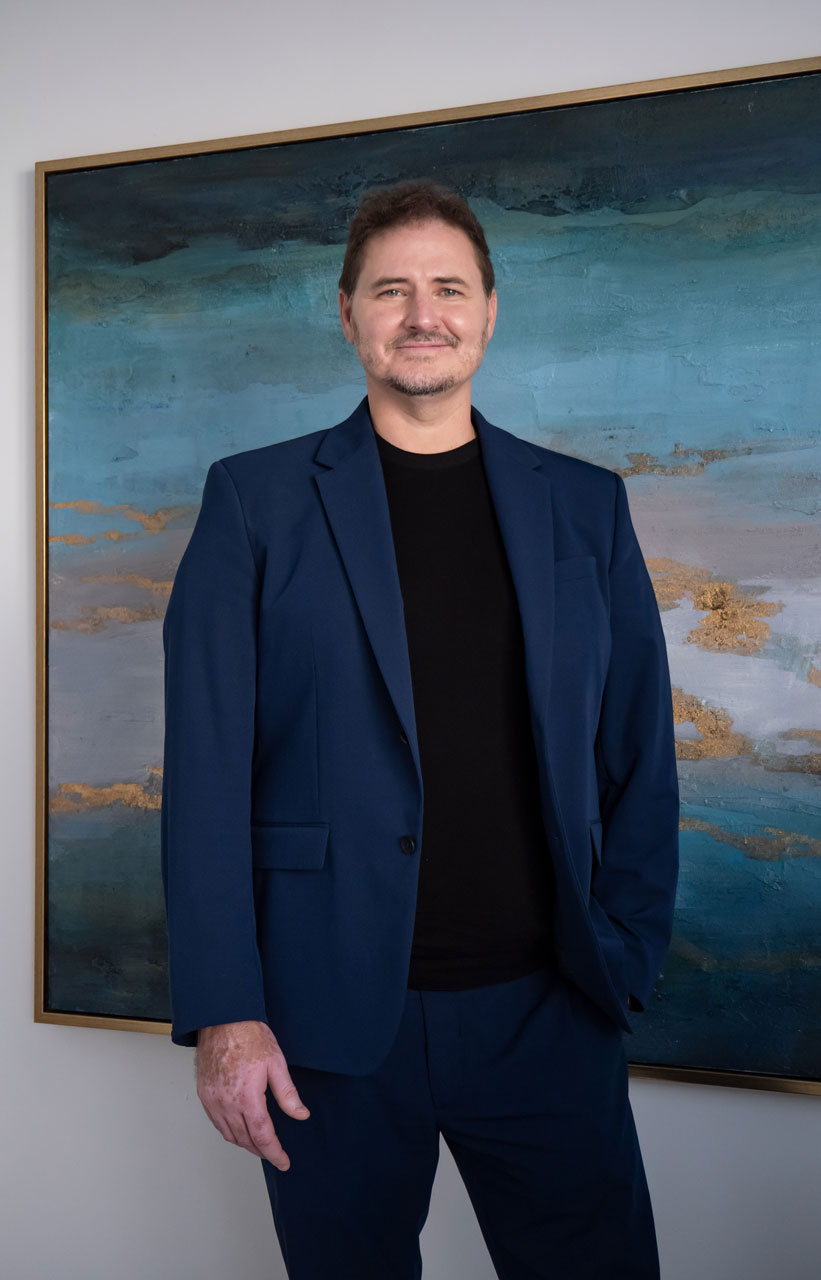
Comprehensive care in the hands of a single professional
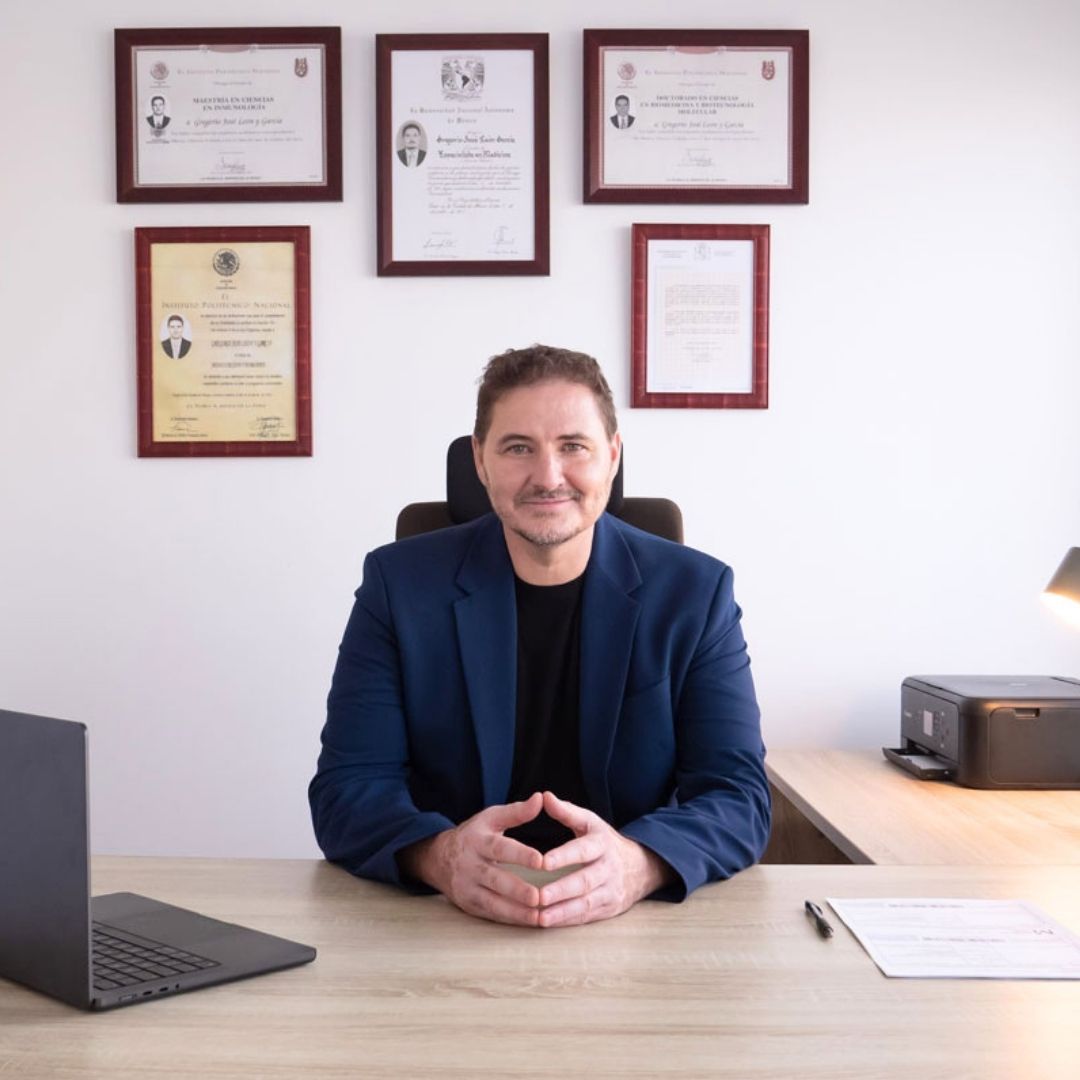
About Dr. Gregorio León
Dr. Gregorio acts as a “multidisciplinary team”, By analyzing the health-disease process from Multiple approaches.
Combines his knowledge in internal medicine, integrative medicine, Immunology, genetics, Molecular biology, Psychoneuroimmunology and cellular physiology among others, to understand how the body is responding during chemotherapy and design a clinical approach that is consistent with each case.

Accredited clinical experience over two decades

Doctor of Science in Biomedicine and Molecular Biotechnology
Researcher in cellular communication and neuroinflammation, with a master's degree in immunology; studies the complex processes of the organism from its possible biological root cause, not just from the symptoms.
Direct and personal follow-up in each phase
He/She designs, implements, and personally adjusts the medical accompaniment, ensuring clinical consistency, confidentiality, and continuous communication throughout the process.
Frequently asked questions
Does this accompaniment replace my oncologist?
Can it help me tolerate chemotherapy better?
Can I do this procedure if I am undergoing chemotherapy?
Is it coordinated with my oncological treatment?
Does it work for any type of cancer?
Are results guaranteed?
Take the first step to overcome chemotherapy with greater medical support
If you or a family member are undergoing chemotherapy and the side effects are affecting your quality of life, you can request a first medical consultation to assess your case.